Which is the best Isuzu truck in Kenya?
There is no single best truck for every job. The best Isuzu truck is the smallest model that can safely and consistently carry your real load after the body is fitted, while leaving enough capacity for growth and difficult routes.
NLR77E
Choose it for compact city distribution, light goods, small tankers and businesses that value manoeuvrability.
NMR85H
Choose it when the NLR is too small but an 8-tonne-GVW truck would be more truck than the operation needs.
NQR81K
Choose it for higher-capacity distribution, tankers, tippers and bodies whose own weight uses more of the GVW allowance.
NLR77E vs NMR85H vs NQR81K specifications
The figures below are Kenya-market manufacturer specifications. They establish the truck's capacity class, but your bodybuilder's final tare-weight certificate is what allows an accurate payload calculation.
| Specification | NLR77E | NMR85H | NQR81K |
|---|---|---|---|
| Gross vehicle weight | 4,100 kg | 5,500 kg | 8,000 kg |
| Engine | 4JJ1-TC, 2,999 cc | 4JJ1-TC, 2,999 cc | 4HL1-TCS, 4,778 cc |
| Maximum output | 106 hp (77 kW) | 124 hp (91 kW) | 150 hp (114 kW) |
| Maximum torque | 230 Nm | 354 Nm | 402 Nm |
| Transmission | MSB-5S, 5-speed | MYY-5M, 5-speed | MYY-6S, 6-speed |
| Fuel tank | 75 litres | 100 litres | 100 litres |
| Drive | 4×2 | 4×2 | 4×2 |
| Typical fit | Light urban delivery | General distribution | Heavier commercial work |
Output figures are shown in horsepower with the manufacturer's kilowatt value in brackets. Torque delivery and final gearing matter as much as headline horsepower in loaded commercial use.
GVW is not payload: calculate the truck you can actually use
GVW—gross vehicle weight—is the legal maximum operating weight of the completed truck. It includes the chassis, cab, body, driver, passengers, fuel, accessories and cargo. Payload is what remains after all of that fixed operating weight is deducted.
A steel tipper, insulated box, tanker, tail lift, refrigeration unit or reinforced bus body can materially reduce the cargo or passenger allowance. Do not buy from a generic payload claim; weigh the completed body specification.
This is why two trucks built on the same chassis can have different legal payloads. Before ordering, provide your supplier with the heaviest normal load, the proposed body dimensions and material, number of crew, route type and any mounted equipment. Ask for the estimated completed tare and confirm it at a certified weighbridge after body installation.
Isuzu NLR77E: compact and capable for lighter routes
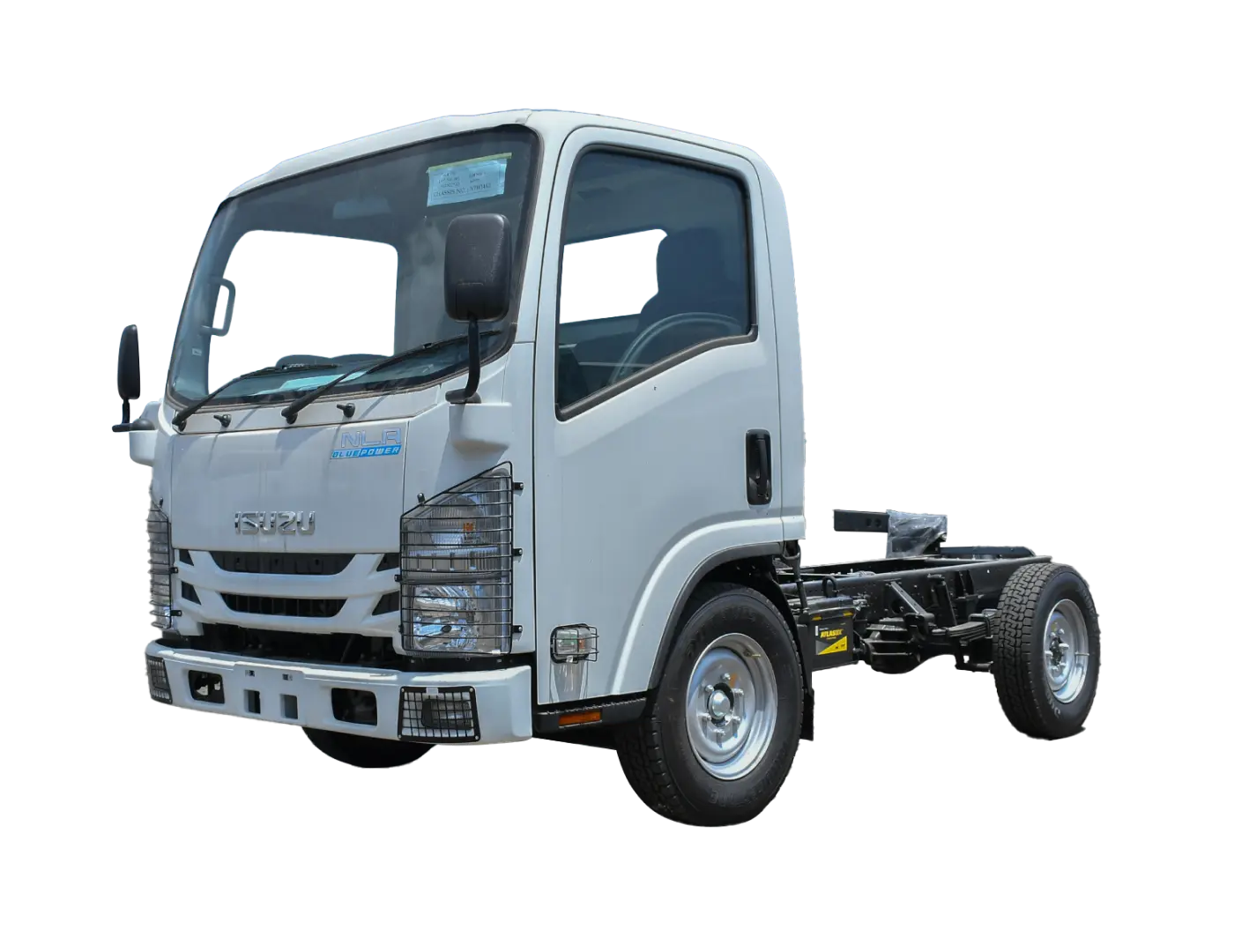
At 4,100 kg GVW, the NLR77E is the lightest truck in this comparison. Its 2,999 cc 4JJ1-TC engine, five-speed transmission and compact format suit frequent stops, tighter access and loads that do not justify a larger chassis.
Ideal businesses: bakeries, pharmacies, retail distributors, light hardware suppliers, laundries, small manufacturers, milk collection operators and service businesses moving bulky but not extremely heavy goods.
NLR77E body applications
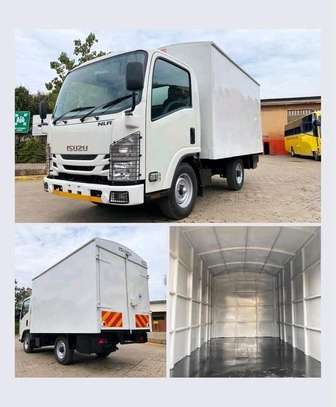
Isuzu lists fixed high-sided, fully enclosed and milk-tanker applications. An open or high-sided cargo body suits crates, farm produce and general goods; an enclosed body protects parcels, food and retail stock; a small tanker supports organised liquid collection.
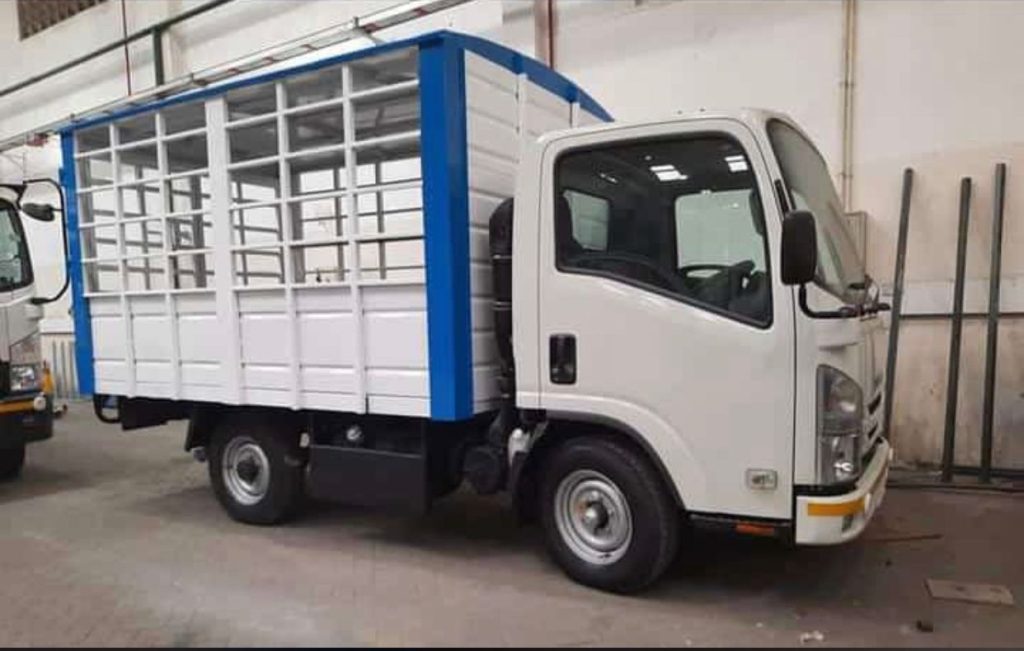
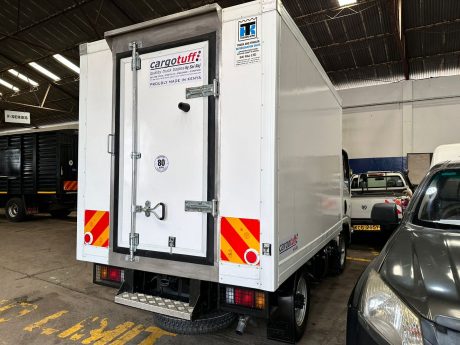
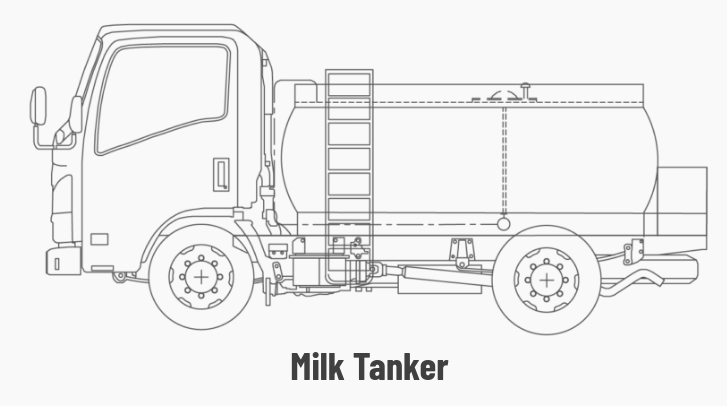
When not to choose it: if your completed body and normal cargo regularly approach the NLR's GVW, moving up to the NMR85H creates a safer, more durable working margin.
View the Isuzu NLR77E model page →Isuzu NMR85H: the versatile middle ground
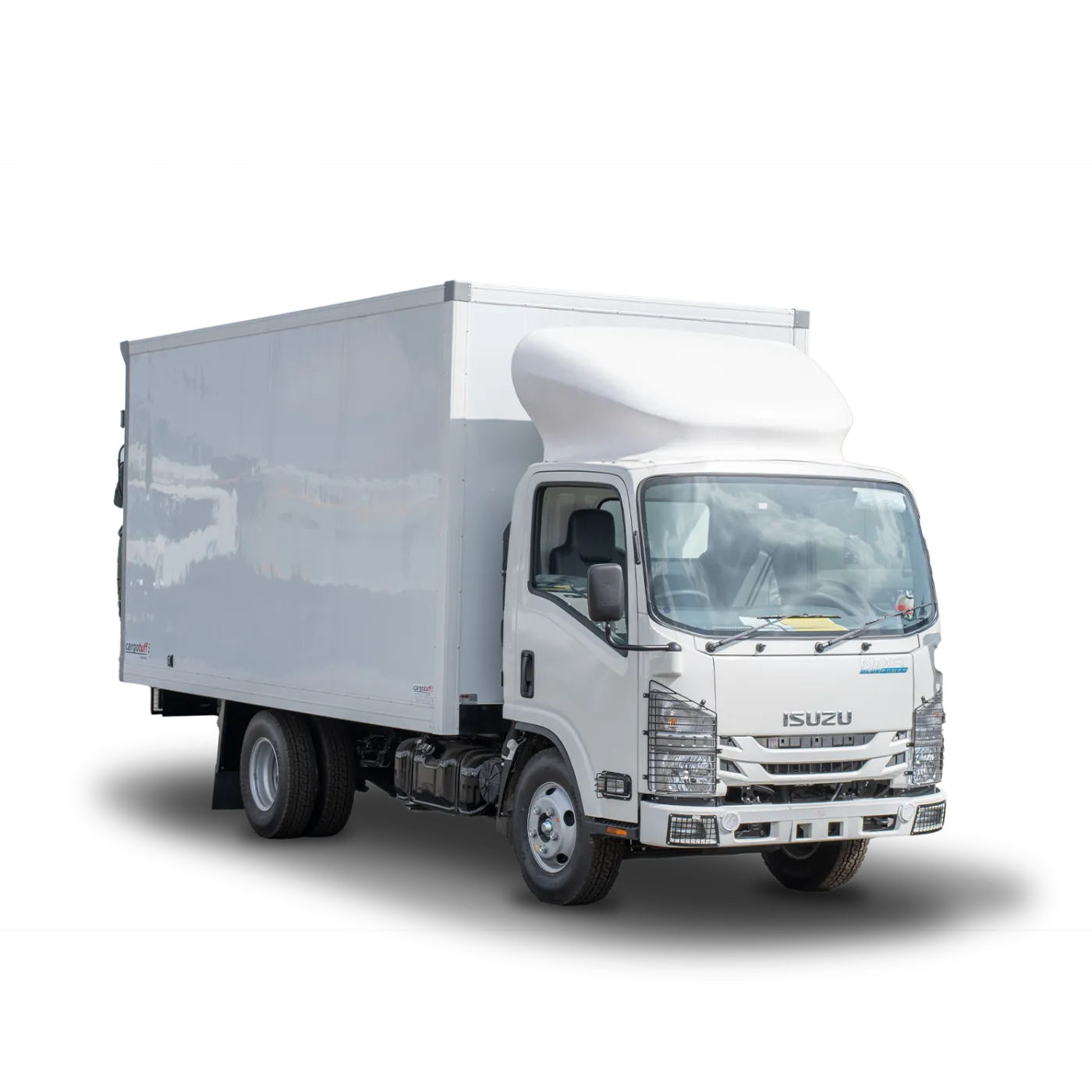
The NMR85H raises GVW to 5,500 kg while retaining the 2,999 cc 4JJ1-TC engine, tuned here to 124 hp and 354 Nm. A 100-litre tank and broad body choice make it a strong all-rounder for businesses moving beyond light delivery work.
Ideal businesses: wholesalers, beverage distributors, FMCG suppliers, furniture and appliance companies, agricultural aggregators, medium-scale dairy operations, construction suppliers and county-wide delivery fleets.
NMR85H body applications
Manufacturer-listed bodies include double dropside, fully enclosed, high-sided, low dropside and milk tanker. That range makes the NMR especially useful when one fleet must serve different cargo types without stepping into the NQR's weight class.
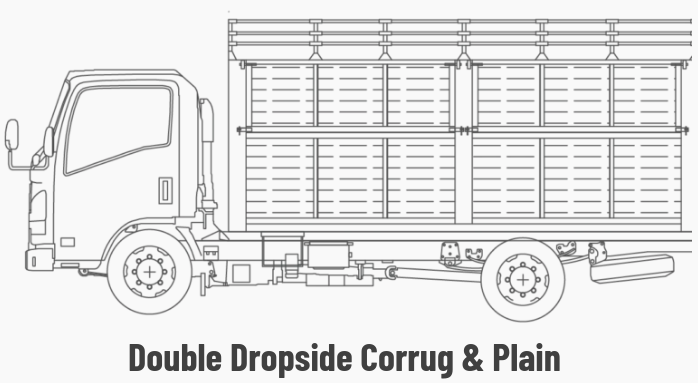
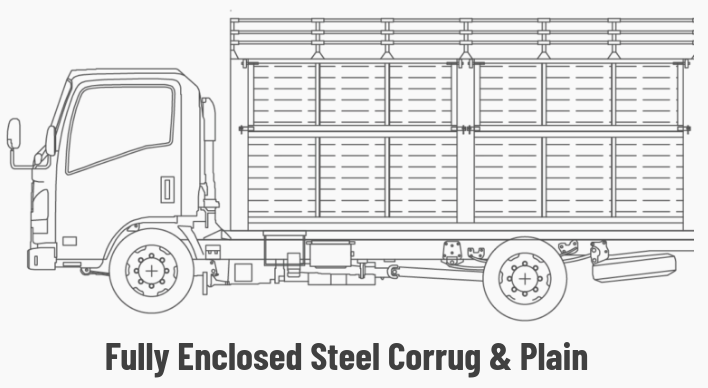
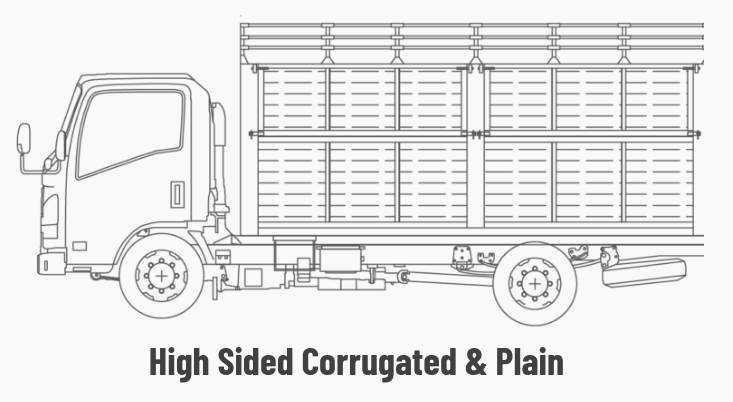
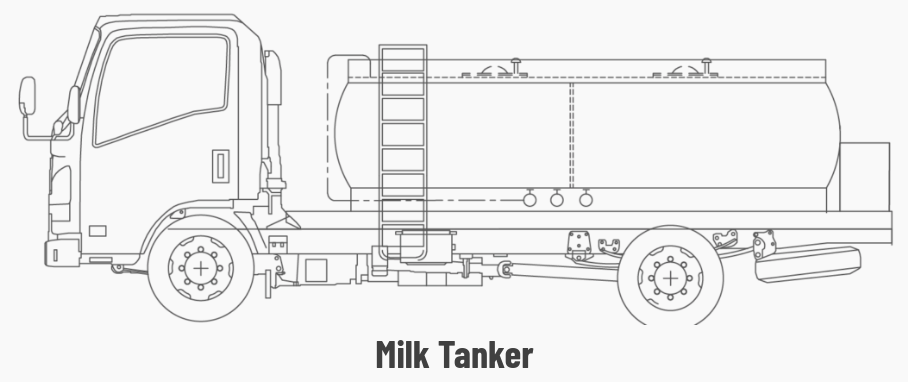
When to choose it over the NLR: when route loads are consistently beyond a light-duty application, the body is heavier, or the business needs more torque and operating reserve. When to move to the NQR: when the completed NMR would leave too little legal payload or the work includes heavier tanker, tipper or distribution duty.
View the Isuzu NMR85H model page →Isuzu NQR81K: the heavier-duty choice
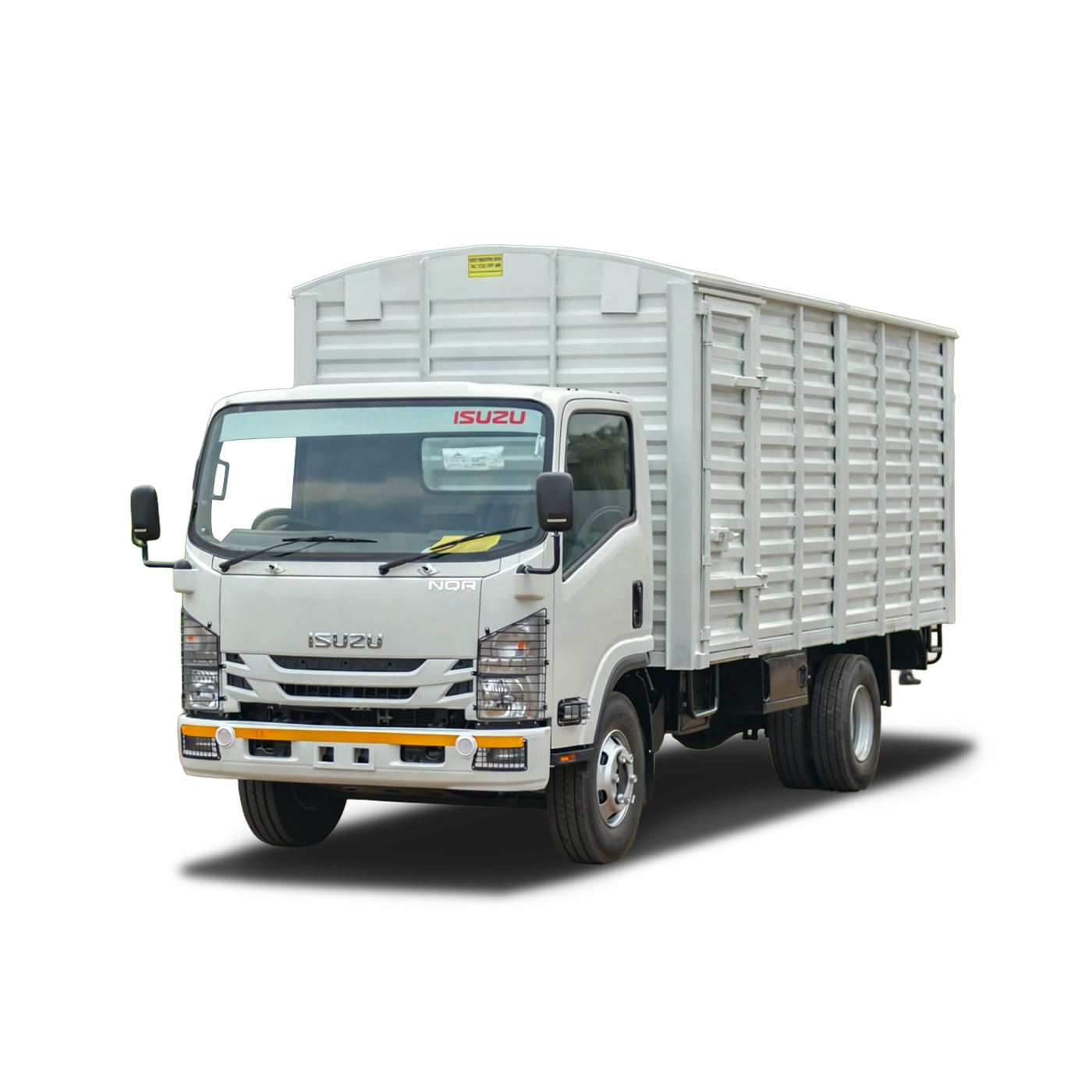
With 8,000 kg GVW, a 4,778 cc 4HL1-TCS engine, 402 Nm of torque and a six-speed transmission, the NQR81K is the clear step up. It is intended for operations where cargo density, body weight, route demands or daily utilisation make an NMR marginal.
Ideal businesses: building-material merchants, produce and beverage distributors, water and fuel suppliers, contractors, larger dairy cooperatives, waste and tipper operators, logistics fleets and enterprises carrying heavier loads between towns.
NQR81K body applications
Isuzu lists double-dropside, fixed high-side, fuel tanker, fully enclosed, low dropside, milk tanker, stainless water tanker and tipper bodies. This is the broadest heavy-application menu of the three models.
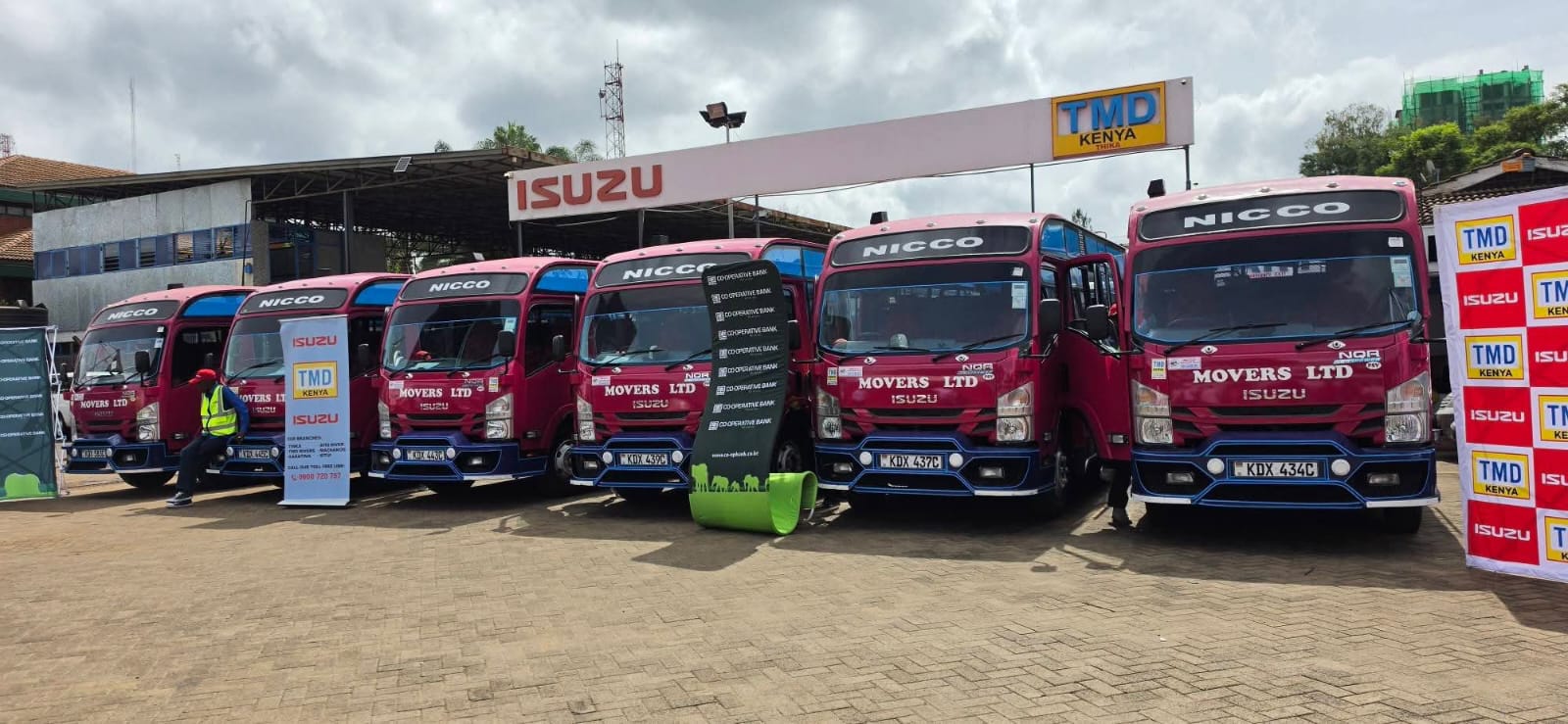
When not to choose it: buying the largest truck “just in case” can add acquisition cost, body cost and operating weight without creating revenue. Choose the NQR when its extra capacity will be used productively—not simply because it is more powerful.
View the Isuzu NQR81K model page →What about NMR and NQR buses?
Isuzu N-Series underpins both cargo trucks and passenger bodies, which is why the NMR and NQR names are common in Kenyan matatu, school and staff transport. The important distinction is the suffix: NQR81K is the truck chassis discussed above, while NQR81M is the passenger-bus configuration. Isuzu's Kenya range lists an NMR85 bus at 25/26 seats and an NQR81M at 33 seats.
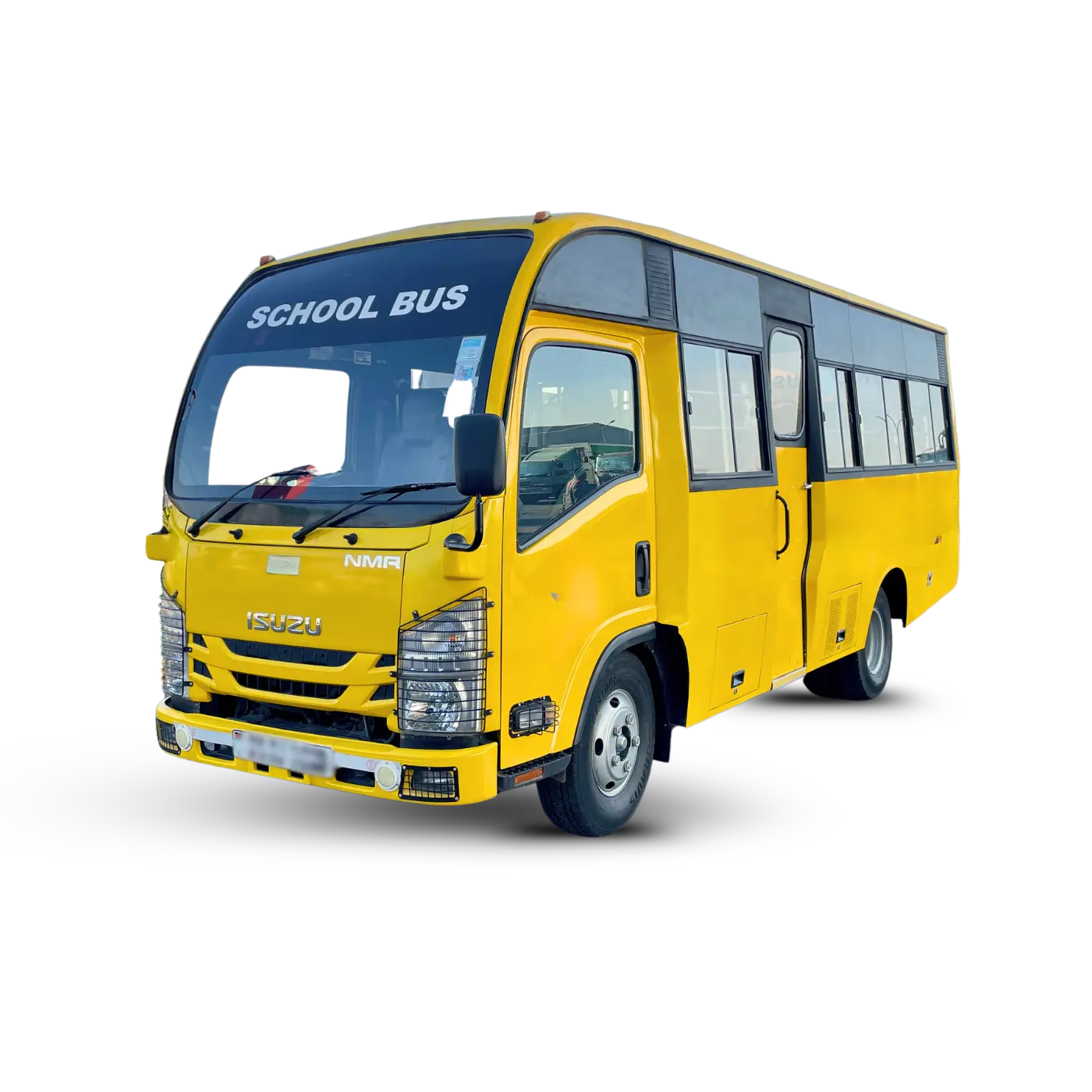
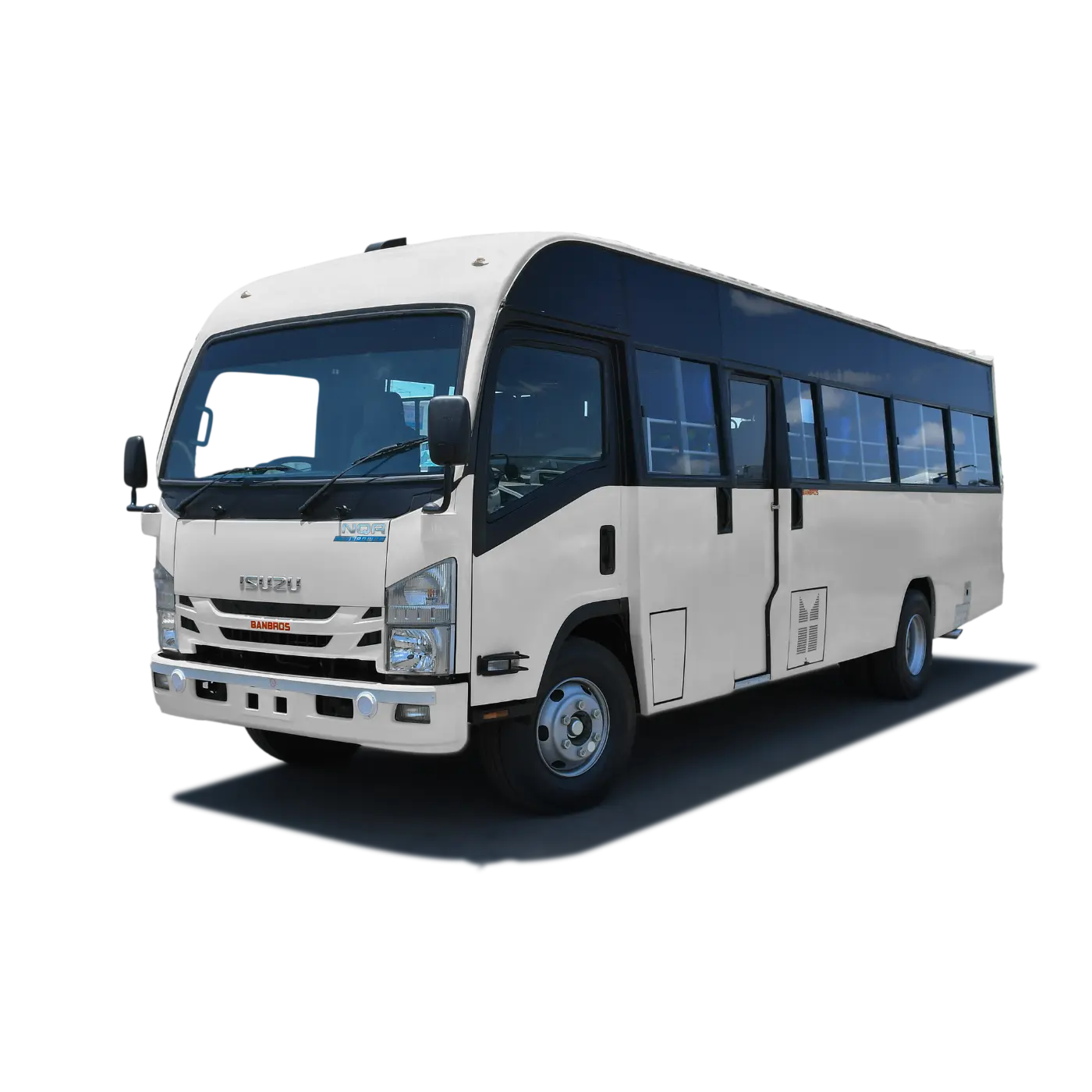
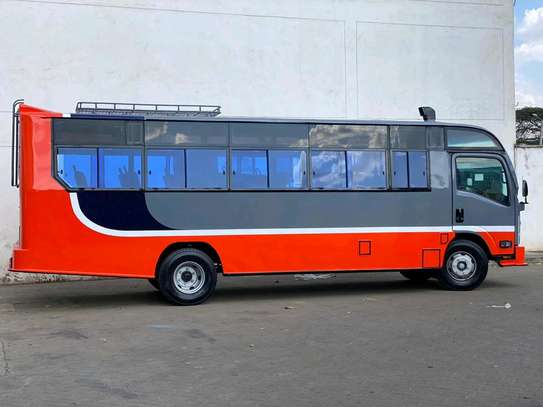
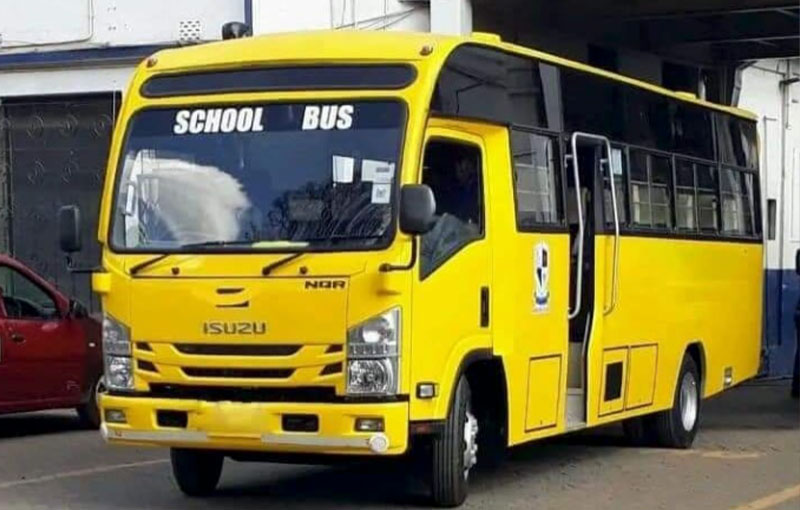
Do not convert truck payload assumptions into passenger capacity. Bus selection must consider the approved seating layout, completed body weight, licensing category, emergency exits and applicable transport regulations. Explore the Isuzu bus range or ask for a body-specific recommendation.
Fuel considerations: avoid choosing by engine size alone
Isuzu's public Kenya specification pages do not state a universal kilometres-per-litre figure for these trucks—and a single number would be misleading. Fuel use changes with load, terrain, traffic, driver behaviour, body height, tyre pressure, gearing, idling and maintenance.
- NLR77E: generally the logical fuel-conscious choice for genuinely light, stop-start urban loads because it carries less vehicle mass and uses the lower-output tune.
- NMR85H: often provides the best balance where the NLR would work too hard or require extra trips. Consolidating deliveries can matter more than comparing engines in isolation.
- NQR81K: has the largest engine, but it can be the efficient business choice when it safely carries a revenue-earning load that would overload a smaller truck or force multiple journeys.
The cheapest litre is the one you do not burn on an unnecessary trip—but an oversized, lightly loaded truck can also waste money. Compare fuel cost per delivered tonne, crate, litre or passenger rather than fuel consumption alone. Build your total-cost model around the actual route and include tyres, service intervals, insurance, financing, driver's wages and expected resale value.
How to choose between NLR77E, NMR85H and NQR81K
1. Weigh the real load
Record the heaviest normal cargo—not the average—and include pallets, tanks, shelves, refrigeration and loading equipment.
2. Specify the body first
Body material and dimensions affect tare, payload, aerodynamics and loading speed. Get an estimated completed weight.
3. Map the route
Consider gradients, road surface, town access, daily kilometres, stop frequency, return loads and time spent idling.
4. Plan for utilisation
Allow sensible growth capacity, but do not pay to move unused steel every day. Match the truck to revenue-producing work.
Once the chassis is clear, compare cash purchase, asset finance and leasing based on total repayment and working-capital needs. Read our guide to financing an Isuzu truck in Kenya, then request a model-and-body quotation.
Frequently asked questions
Is the NMR85 better than the NQR81?
It is better for a business whose completed body and cargo fit safely within the NMR85H's 5,500 kg GVW. The NQR81K is better when heavier cargo or bodywork requires its 8,000 kg GVW, larger engine and six-speed gearbox.
What is the payload of an Isuzu NMR85H?
There is no responsible one-size-fits-all payload figure because bodies have different weights. Calculate usable payload by subtracting the completed truck's actual operating tare from its 5,500 kg GVW.
Which Isuzu truck is best for deliveries in Nairobi?
The NLR77E suits lighter deliveries and tighter access; the NMR85H suits larger or denser loads; the NQR81K suits heavier distribution. The correct choice depends on cargo weight, body, route restrictions and delivery frequency.
Can the NQR81K be used as a bus?
The NQR81K covered here is a truck application. The Kenya-market passenger model is designated NQR81M. Ask for the approved bus chassis and seating/body specification rather than treating the suffixes as interchangeable.
Which Isuzu N-Series model uses less fuel?
No universal km/L result applies to every operation. For genuinely light work, the NLR77E is usually the logical starting point; for heavier work, an appropriately loaded NMR or NQR may use less fuel per delivered unit than an undersized truck making extra trips.
Tell Dr. Isuzu what you carry and where you carry it.
Paul Karanja can compare the chassis, body application, financing path and operating fit for your route.
Official specification sources
Specifications and manufacturer-listed applications checked against Isuzu East Africa's NLR77E, NMR85H and NQR81K model pages on 23 July 2026. Vehicle specifications, availability, pricing and regulations may change; confirm the current quotation and completed body specification before purchase.